Produced Water Treatment
Produced water treatment is a critical part of efficient and sustainable oil and gas production. Proper treatment not only enables water to be safely reinjected or discharged, but also maximises the recovery of valuable hydrocarbons and protects reservoir performance.
Pielkenrood designs and engineers advanced produced water treatment systems that combine proven separation technologies with efficient physical-chemical treatment and filtration. With over 60 years of experience in oil-water separation and wastewater treatment, we provide reliable, tailor-made solutions for some of the most demanding applications in the oil and gas industry.

an opportunity
More than wastewater treatment
Produced water is generated during oil and gas extraction and may contain free oil, emulsified hydrocarbons, suspended solids, dissolved substances and other contaminants. Treating this water effectively requires more than simply removing pollutants.
An optimised treatment process can recover valuable crude oil, reduce operational costs, protect downstream equipment and maintain the quality of water used for reservoir reinjection. At Pielkenrood, we approach produced water treatment as an opportunity to recover resources and improve overall production efficiency.
how it works
Our treatment process
Pielkenrood combines several proven technologies into an integrated treatment process, carefully designed around the characteristics of the produced water and the required outlet quality.
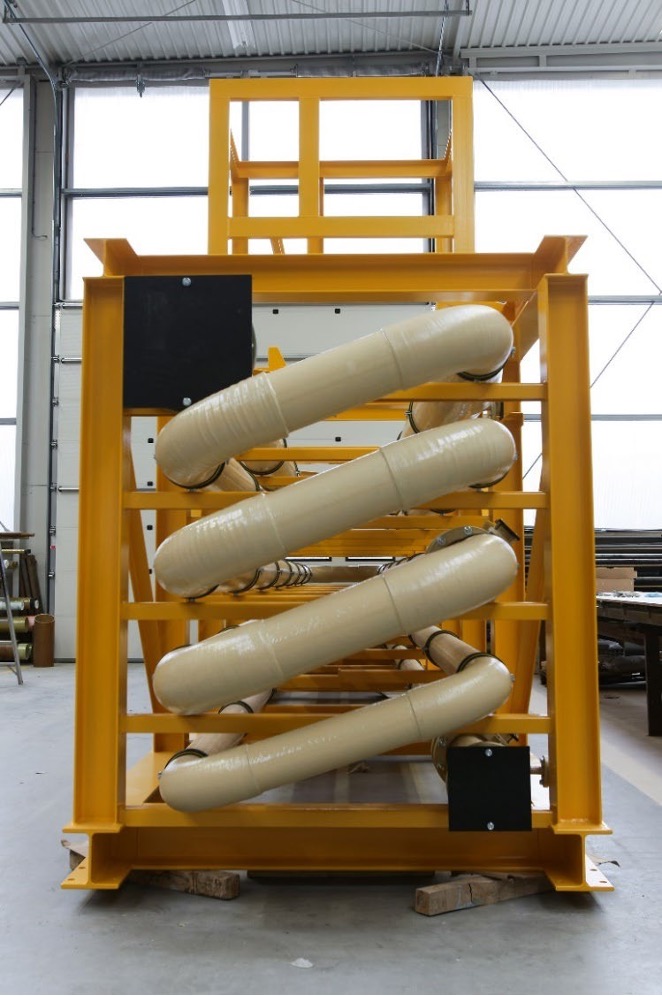
Primary treatment – Oil recoveryThe first stage focuses on recovering as much uncontaminated crude oil as possible through gravity separation. Our Cross Flow Interceptors (CFI) efficiently separate free oil and settleable solids from produced water. By maximising oil recovery at this stage, the load on downstream treatment equipment is significantly reduced, helping to minimise chemical consumption and operating costs.
Secondary treatment – Chemical dosing and flotationThe second stage removes smaller oil droplets, emulsions and suspended particles that cannot be effectively separated by gravity alone. Carefully controlled chemical dosing destabilises dispersed contaminants and promotes the formation of larger aggregates. These are subsequently removed through Dissolved Gas Flotation (DGF), using microscopic gas bubbles to carry contaminants to the surface. This treatment stage is essential for improving water quality and protecting downstream filtration systems.
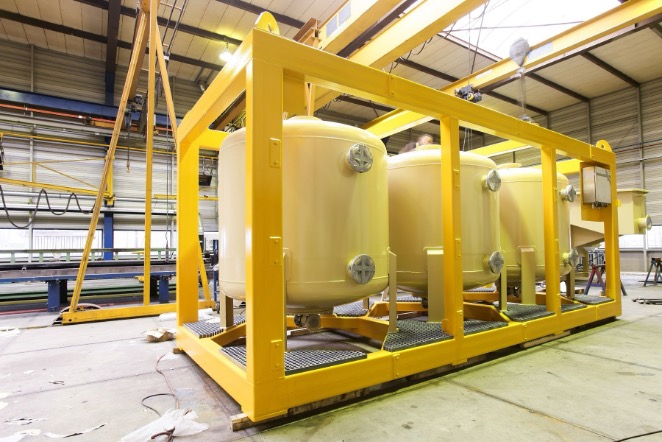
Where very low concentrations of oil and suspended solids are required, additional filtration provides the final polishing step. Pielkenrood uses technologies such as nutshell filters to remove remaining contaminants. Nutshell filtration is particularly suitable for produced water treatment because of the oil-attracting properties of the filter media. Effective primary and secondary treatment reduces filter loading, minimises backwashing frequency and improves operational reliability.
Tertiary treatment – Filtration

effective & efficient
Key advantages
- Maximum oil recovery: Efficient gravity separation helps recover valuable hydrocarbons before chemical treatment.
- Improved reservoir protection: Removal of oil and suspended solids helps prevent formation damage during water reinjection.
- Lower operating costs: Optimised treatment stages reduce chemical consumption, energy requirements and maintenance.
- Efficient water reuse: Treated produced water can be prepared for reinjection or other applications according to project requirements.
- Reduced filtration load: Effective upstream separation extends filtration cycles and reduces backwashing.
- Integrated process engineering: Each treatment stage is carefully designed to work efficiently with the next.
built on legacy
Proven experience in the oil and gas industry
Pielkenrood has extensive experience in produced water treatment, dating back to the 1980s. One of our early projects involved a produced water treatment plant for NAM at the Schoonebeek oilfield in the Netherlands, where Dissolved Gas Flotation technology was used to address complex contamination involving iron sulphide and oil.
Since then, Pielkenrood has supplied produced water treatment solutions for projects in the Gulf region, North Africa and offshore locations. In a field pilot test conducted in 2019, Pielkenrood demonstrated the potential to recover approximately 1,845 barrels of oil per day from produced water, illustrating the significant economic value of effective oil-water separation.

engineering expertise
Designed around your operation
Every oilfield presents different challenges. Produced water composition, flow rates, operating pressures, temperatures and reinjection requirements vary significantly between applications. Pielkenrood combines specialist process knowledge with practical engineering experience to develop treatment systems tailored to these conditions. From individual separation units to complete integrated treatment plants, our focus remains on maximising resource recovery, reducing operational costs and delivering dependable long-term performance.